How reading The Creative Act and attening Therapeutic Arts Training has shaped my Holistic Approach to Textiles Art
Creativity, Presence and Embodied Expression
How The Creative Act and Therapeutic Arts Training Shape a Holistic Approach
There’s a quiet but powerful connection between creative practice and wellbeing and one that isn’t confined to artistic output or clinical therapy, but lives in how we experience ourselves and the world around us.
This idea has shaped much of my thinking as I continue develop ideas for new workshops. I have noticed two profound influences in my own practice:
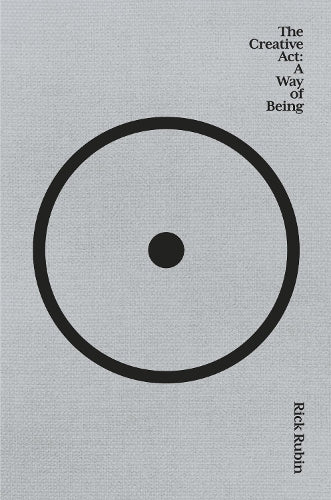
Rick Rubin’s approach to creativity in The Creative Act: A Way of Being
My training at the Institute for Arts in Therapy and Education (IATE), where creative practice is held alongside reflection and psychological theory
Creativity as a way of being
Rick Rubin reframes creativity not as a talent, but as something that is available to all of us. He suggests that creativity is as much about how we relate to our experiences as it is about making things, that everyone participates in creativity through noticing, responding and engaging with the world around them.
This resonates deeply with my own experience.
Over many years working in arts education, I’ve often met adults who describe themselves as “not creative” or “not artistic”. Parents of students have frequently shared stories of being told they couldn’t draw or paint when they were younger and this seems to shape how they talk about themselves years later.
What I witnessed again and again was not a lack of creativity, but a loss of confidence.
A narrowing of permission.
Rubin’s work speaks directly to this, reminding us that creativity isn’t about skill or performance, but about presence. About allowing ourselves to meet materials and moments without judgement.
That perspective underpins everything I do.
Embodied awareness and reflective practice
At IATE, creative process is explored through both embodied experience and reflective thinking, with theory and practice held alongside one another. The training draws on expressive arts, Gestalt awareness, attachment theory and trauma-informed perspectives, recognising that much of what we carry lives in sensation and movement before it reaches language, while also valuing thoughtful reflection and psychological understanding.
Psychologist Margot Sunderland highlights that emotional states are first registered in the body, before they can be named in words. This helps explain why talking alone doesn’t always reach everything people experience and feel, especially when they arrive tired, overwhelmed or disconnected from their senses.
Creative, embodied processes offer another way in.
Through working with clay, image, movement, story and symbolic expression, I came to see creativity not just as something we do, but as something we experience through the body. These theories were supported by reflection and meaning-making which has helped my understanding of creativitiy.
Why words aren’t always enough
In textile-based practice, awareness emerges through touch, rhythm and repetition. Fabric responds to movement. Thread records pauses and attention settles through making and stopping along the way.
Rather than asking people to explain how they feel, stitch allows experience to unfold through doing.
In my work, I don’t ask people to interpret what they make.
I invite them to notice how they make it.
Fabric holds movement, pressure and rhythm. Every stitch leaves a trace of attention. Over time, small decisions in stitch, texture and structure quietly reflect experience in that moment.
Meaning emerges through making. This is supported by reflection, not driven by explanation.
Process before product
Both Rick Rubin and expressive arts traditions place process at the centre of creativity.
Rubin writes about creativity as becoming available rather than forcing outcomes.
Similarly, therapeutic arts approaches recognise that it’s the act of making, not the finished piece, that supports awareness, regulation and insight.
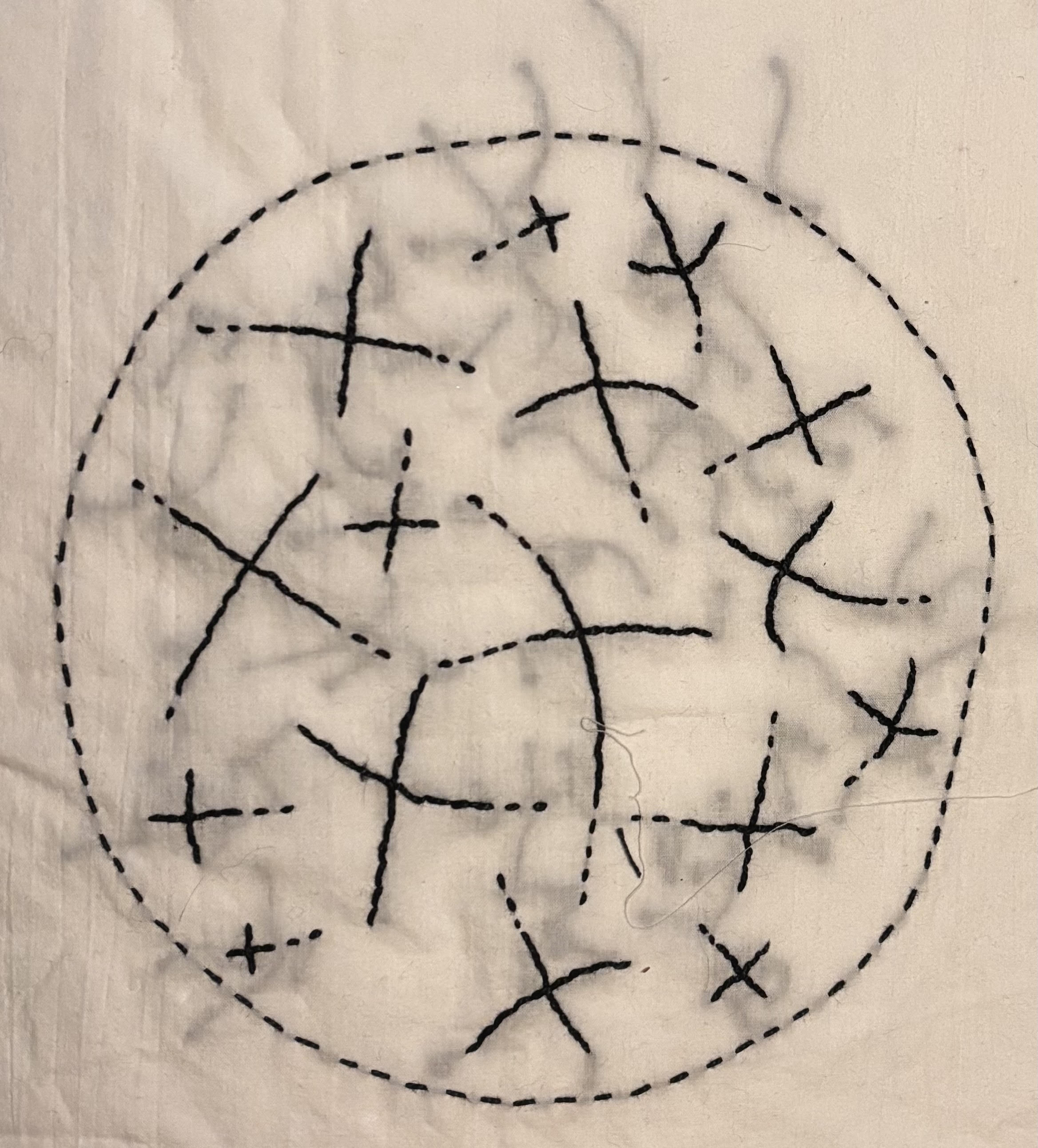
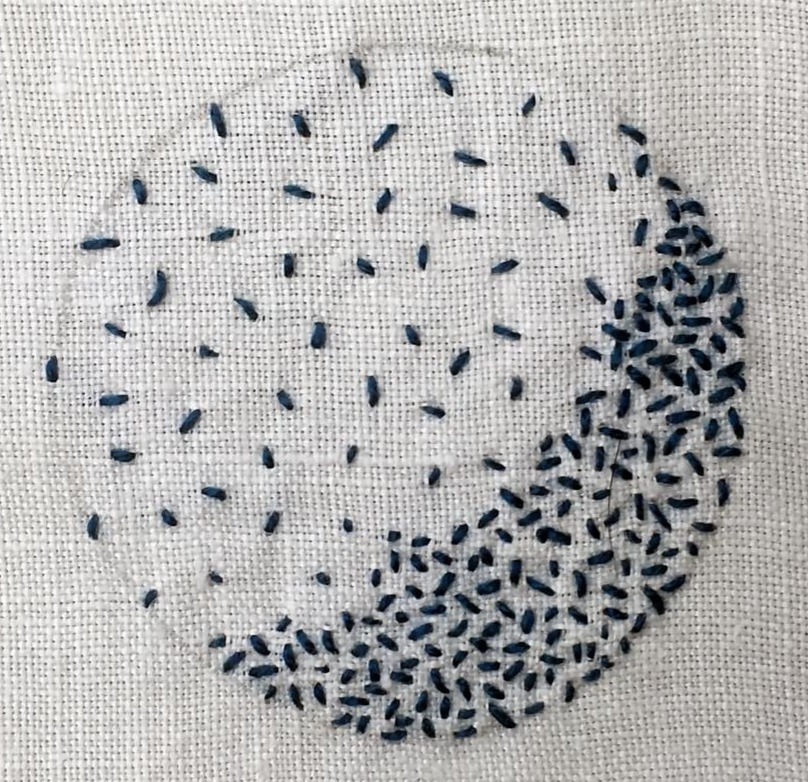
This is why Textiles for Wellbeing begins with hands, thread and a simple circle.
No pressure.
No expectation.
No need to be “good”.
Just an invitation to begin.
Some people create work they want to keep or display. Others find the value lies entirely in the experience itself.
Both are welcome.
A shared lineage
These influences form a quiet lineage:
creativity as presence
making as awareness
process over product
experience before explanation
From Rick Rubin’s invitation to see creativity as a way of being, to therapeutic arts practices that honour embodied knowing alongside reflection, the message is consistent:
making with our hands helps us reconnect with ourselves and the world around us.
Textiles for Wellbeing simply creates space for that to happen; gently, accessibly, and without judgement.